
Ledger® Live Wallet— Getting Started™ | official Ledger™
Ledger Live Login provides a practical starting point for understanding access to Ledger Live, connecting compatible devices, managing accounts, and maintaining wallet security.
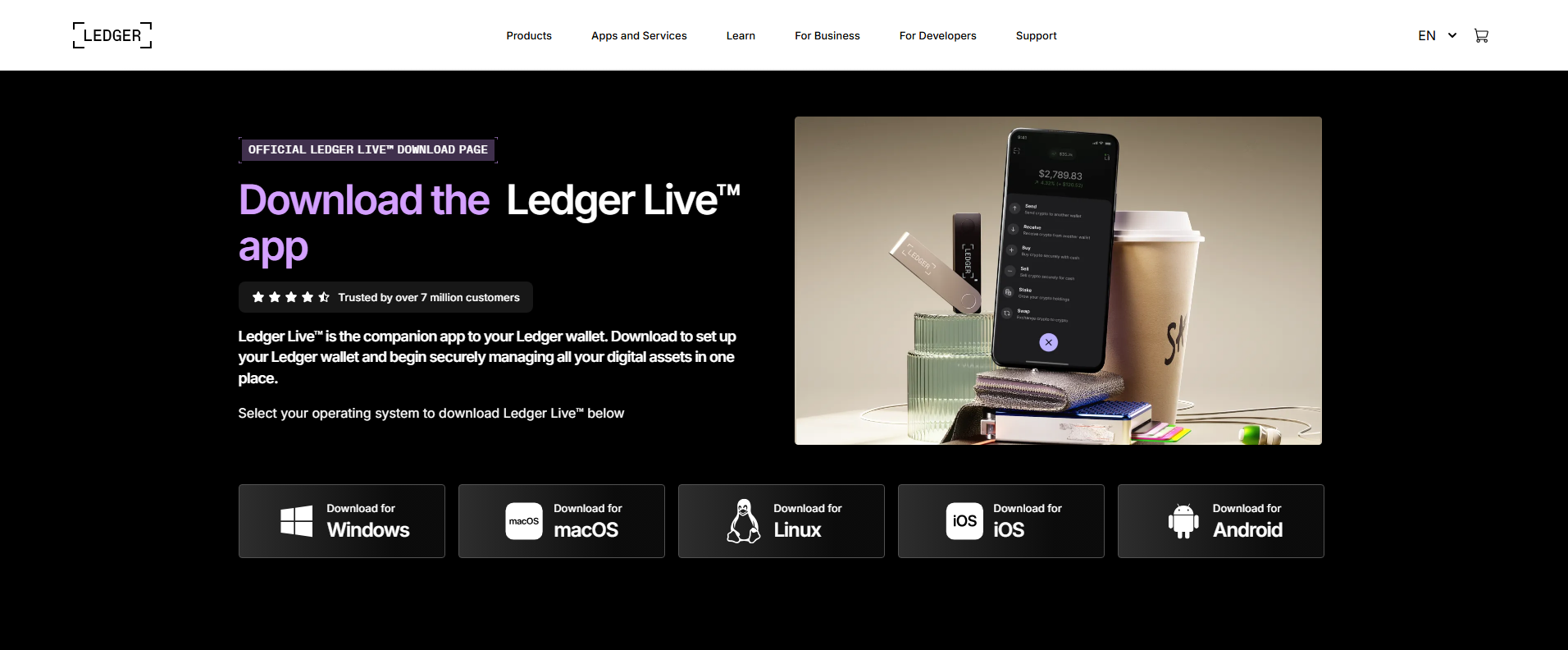
Ledger Live Login: A Practical Guide to Secure Wallet Access
Accessing a cryptocurrency wallet from a computer requires more than simply opening an application and looking for a login screen. Hardware-wallet users should understand how wallet applications, physical devices, account information, and transaction approvals work together. For Ledger users, Ledger Live login generally refers to accessing and using the Ledger wallet-management environment on a trusted computer with a compatible Ledger hardware wallet.
Unlike conventional online banking services, a hardware wallet does not rely on a traditional username-and-password system to provide access to cryptocurrency private keys. The physical device plays an important role in authentication and transaction authorization. Understanding this difference can help users avoid phishing attempts and misleading websites that imitate wallet login pages.
Understanding Ledger Live Login
Ledger Live is designed to provide an interface for interacting with supported Ledger accounts and cryptocurrency networks. When users open the application, they can access wallet-management features depending on their device, account configuration, and supported assets.
A user may therefore search for terms such as “Ledger Live login” when trying to access their wallet. However, users should be cautious with websites that advertise a simple online login form and request sensitive wallet information.
A legitimate wallet-management process should never require users to enter their recovery phrase into an unfamiliar website.
How Ledger Live and the Hardware Wallet Work Together
The Ledger Live application and the physical hardware wallet have different responsibilities.
The desktop application provides the interface through which users can review account information, manage supported assets, and prepare transactions. The hardware wallet provides an additional security layer for sensitive operations.
When a transaction requires authorization, important information can be reviewed on the physical device before approval. This gives users an opportunity to verify the transaction rather than relying only on information displayed by the computer.
Understanding this relationship is essential for anyone learning how Ledger wallet access works.
Preparing for a Secure Ledger Live Login
Before accessing a Ledger wallet, users should make sure they are working from a trusted computer. Keep the operating system updated and avoid using devices that may contain suspicious software.
The Ledger application should be obtained through an official and trusted source. Avoid downloading wallet software from random websites, unofficial advertisements, file-sharing platforms, or links received through unexpected messages.
Users should also keep their Ledger hardware wallet available because certain wallet-management activities require the physical device.
Ledger Live Login Is Not a Traditional Password Login
One common misunderstanding is assuming that Ledger Live works exactly like a traditional website account.
A hardware wallet is designed around self-custody. The security model focuses on protecting the credentials used to authorize transactions rather than placing all control behind a website username and password.
Because of this, users should be suspicious of any website claiming that they must enter their complete recovery phrase to “log in,” “unlock,” “verify,” or “synchronize” their Ledger wallet.
A recovery phrase is not a normal login credential and should remain private.
Protecting Your Recovery Phrase
The recovery phrase is one of the most sensitive elements of a self-custody wallet. It can potentially be used to restore wallet access on a compatible device.
For this reason, it should be kept offline and protected from unauthorized access.
Never enter the recovery phrase into a website or send it through email, messaging applications, social media, or online forms. Do not store photographs of it in cloud accounts or ordinary computer folders.
If someone asks for the recovery phrase while claiming to provide wallet support, treat the request as suspicious.
Checking the Physical Ledger Device
When using a Ledger wallet, the physical device should be treated as an important verification point.
For transactions and other sensitive actions, carefully review the information displayed on the hardware wallet. Compare the destination address, amount, and other relevant details with what you intended to authorize.
If the information shown on the device does not match your expectations, do not approve the action.
This additional verification step can help users detect mistakes or potentially malicious changes before a transaction is finalized.
Managing Accounts After Access
Once the Ledger wallet environment is available, users can work with supported accounts and cryptocurrency networks.
Depending on the current software and device configuration, users may be able to review balances, monitor transaction activity, manage accounts, install supported blockchain applications, and prepare cryptocurrency transfers.
The application acts as a convenient interface for these activities, while blockchain networks maintain the actual transaction records.
Understanding this distinction can make wallet management easier for beginners.
Receiving Cryptocurrency Securely
Receiving cryptocurrency usually involves providing a wallet address to another person or service.
Before sharing an address, verify that it belongs to the correct account and supports the cryptocurrency and network being used. Different networks can use different address formats, and sending an asset through an incompatible network can create serious problems.
For important transfers, carefully verify the address before providing it. A small test transaction may also be appropriate when users are uncertain about a new destination.
Sending Cryptocurrency After Ledger Live Login
After accessing the wallet, users may want to send cryptocurrency to another address. This process requires particular attention because many blockchain transactions cannot be reversed after confirmation.
Before approving a transaction, check the destination address, amount, network, and applicable fees.
Do not approve a transaction simply because the computer screen appears correct. Review the transaction details on the physical Ledger device as well.
If the information does not match your intended transaction, cancel the process and investigate before proceeding.
Avoiding Fake Ledger Login Pages
Search engines, social media, email messages, and online advertisements can sometimes contain links that imitate legitimate cryptocurrency services.
A fake Ledger login page may use familiar branding and design elements while attempting to collect sensitive information.
Users should avoid entering recovery phrases or other confidential wallet information into websites reached through unsolicited links.
Before interacting with a wallet service, carefully verify the domain and source. If a page unexpectedly asks for a recovery phrase, that should be treated as a major warning sign.
Keeping Ledger Wallet Software Updated
Keeping compatible wallet software and the hardware device properly maintained can help users avoid compatibility problems and access supported features.
However, users should distinguish legitimate software updates from fake update requests.
A message claiming that a wallet must be “verified,” “synchronized,” or “recovered” by entering the recovery phrase should not be trusted simply because it looks professional.
Use trusted software channels and carefully review any update instructions before proceeding.
What to Do If You Cannot Access Your Wallet
If the Ledger application does not behave as expected, avoid immediately searching for unofficial “support” through random websites or social media accounts.
Instead, verify the software being used, check the physical device connection, and review the appropriate official troubleshooting information.
Most importantly, never give a recovery phrase to someone claiming that it is required to restore access.
Wallet security depends heavily on keeping this information private.
Final Thoughts on Ledger Live Login
Ledger Live login is best understood as part of a hardware-wallet management process rather than a conventional website login. The desktop application provides a convenient interface for managing supported cryptocurrency accounts, while the physical Ledger device plays an important role in protecting sensitive operations and approving transactions.
Users can improve their security by using trusted software, protecting their recovery phrase, verifying transaction details directly on the hardware device, and avoiding suspicious login pages or unsolicited support requests.
With these practices in place, Ledger users can approach everyday wallet management with a clearer understanding of how secure access and transaction authorization work together.
Updated about 7 hours ago