
Getting™ Started | Ledger® Live: Desktop® — official
Ledger Live Desktop helps users manage compatible Ledger devices from a computer, with features for checking balances, organizing accounts, installing applications, and confirming transactions.
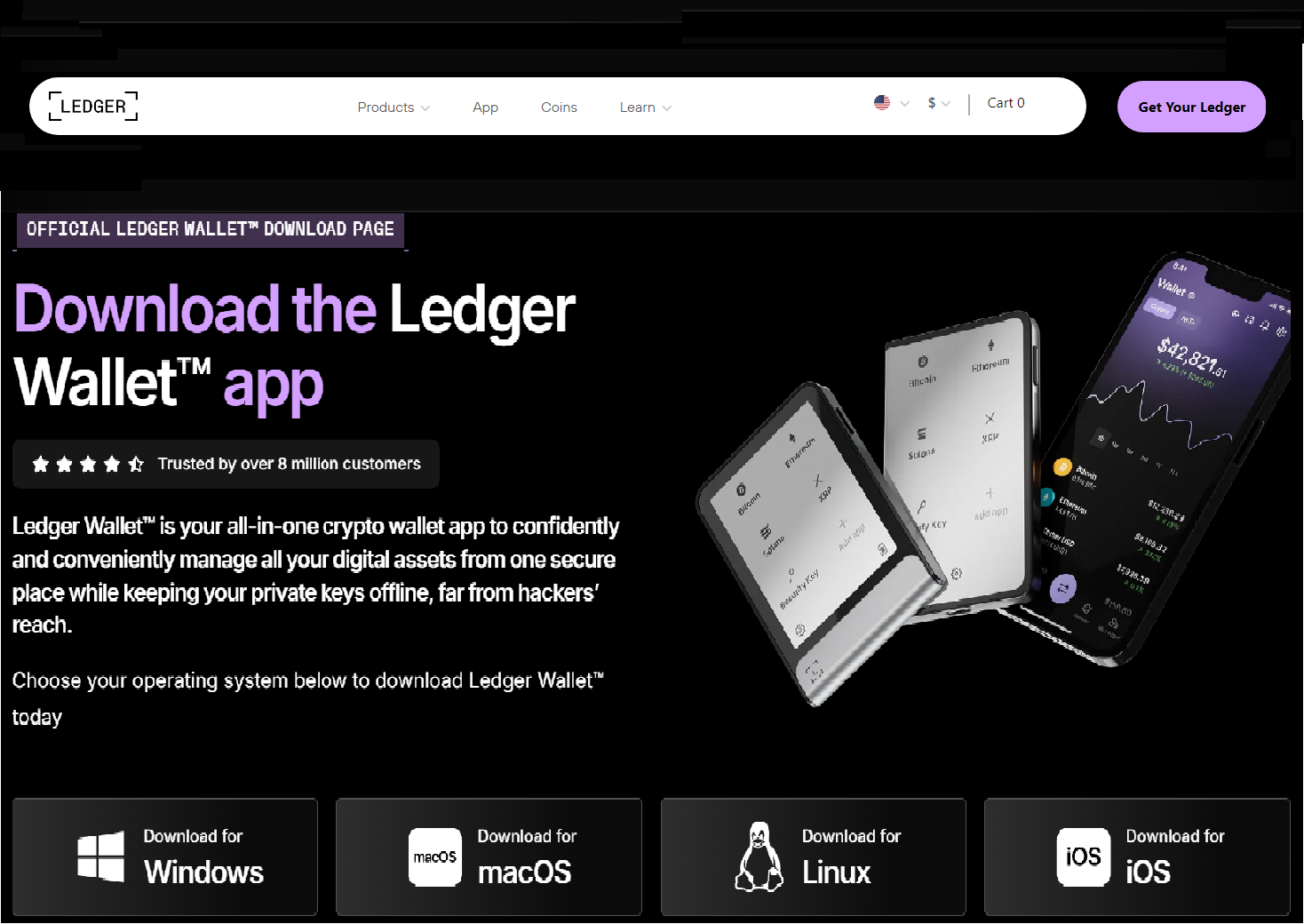
Ledger Live Desktop: A Practical Guide to Managing Your Ledger Wallet
Managing cryptocurrency from a desktop computer requires more than simply having access to a wallet application. Users need a reliable interface for viewing accounts, monitoring supported assets, installing blockchain applications, and reviewing transactions, while also maintaining strong security practices. For Ledger users, Ledger Live Desktop provides a desktop environment designed to work alongside compatible Ledger hardware wallets.
The application can simplify many everyday wallet-management activities, but it is important to understand how the desktop software works together with the physical device. The application provides the interface, while the hardware wallet plays an important role in protecting sensitive wallet credentials and approving transactions.
What Is Ledger Live Desktop?
Ledger Live Desktop is a desktop-based wallet management application associated with Ledger hardware wallets. It gives users a convenient environment for interacting with supported cryptocurrency accounts from a computer.
Instead of relying entirely on a browser-based interface, users can work with a dedicated desktop application to review account information, monitor balances, install supported blockchain applications, and manage cryptocurrency transactions.
The exact features available can depend on the Ledger device, cryptocurrency, operating system, and current software support. For this reason, users should always follow the instructions relevant to their particular device and supported assets.
How Ledger Live Desktop Works With a Hardware Wallet
Understanding the relationship between Ledger Live Desktop and a Ledger hardware wallet is important for beginners.
The desktop application acts as the user interface. It can display account information, provide transaction details, and help users interact with supported blockchain networks.
The physical hardware wallet provides an additional security layer. Sensitive wallet operations and transaction approvals involve the hardware device, allowing users to verify important details before approving an action.
This separation is useful because the computer does not simply become the place where all wallet credentials are exposed. Instead, the hardware wallet is used as part of the authorization process.
Preparing Your Computer for Ledger Live Desktop
Before beginning a setup, users should prepare a trusted computer and make sure the operating system is reasonably up to date. Avoid installing wallet software on computers that may be compromised or shared with unknown users.
Ledger software should be obtained through an official source rather than from third-party download websites, advertisements, pop-ups, or links received through unexpected messages.
It is also useful to have the Ledger hardware wallet available before beginning the setup. Users should take their time during initialization and carefully read instructions shown by both the desktop application and the physical device.
Connecting and Setting Up the Ledger Device
After installing the appropriate desktop software, the Ledger hardware wallet can be connected to the computer according to the instructions for the specific device.
During setup, users may need to create or confirm device security settings and complete other initialization steps. These steps should not be rushed because they establish the foundation for future wallet management.
Whenever the physical device displays information for confirmation, users should inspect it carefully. The information shown on the hardware wallet should correspond with what the user intended to approve.
This verification habit is particularly important when handling cryptocurrency transactions.
Protecting Your Recovery Information
A recovery phrase is among the most important pieces of information associated with a self-custody wallet. It can potentially be used to restore access to wallet accounts if the original hardware device is lost, damaged, or replaced.
For that reason, recovery information should be protected separately from the computer and wallet application.
Never enter a recovery phrase into a website, online form, chat message, email, or unfamiliar application. Do not store it in screenshots, ordinary text files, cloud storage, or social media messages.
A legitimate support representative should not require users to disclose their complete recovery phrase. Anyone requesting this information should be treated as a potential security threat.
Managing Accounts With Ledger Live Desktop
Once the hardware wallet has been configured, Ledger Live Desktop can serve as a central interface for managing supported accounts.
Depending on the available features, users can review balances, monitor transaction activity, organize accounts, install required blockchain applications, and interact with supported cryptocurrency networks.
The desktop application makes this information easier to access, but users should understand that cryptocurrency is not literally stored inside the computer application. Blockchain assets remain recorded on their respective networks.
The wallet manages the credentials and permissions required to interact with those assets.
Installing Blockchain Applications
Different cryptocurrency networks may require their corresponding applications to be installed on a compatible Ledger hardware wallet.
Ledger Live Desktop can help users manage these applications where supported. Before installing anything, users should confirm that they are working with the correct asset and device.
Keeping the hardware wallet and its applications updated can also help users maintain compatibility with supported features. However, updates should always be performed through trusted software and verified instructions.
Receiving Cryptocurrency Safely
Receiving cryptocurrency may appear simple, but address verification remains important.
Before providing an address to another person or service, users should confirm that the address belongs to the intended account and is compatible with the correct cryptocurrency and network.
Avoid copying addresses from suspicious messages or unknown websites. For significant transfers, carefully verifying the destination before sending funds can reduce the risk of an irreversible mistake.
Some users may also choose to perform a small test transaction before transferring a larger amount.
Sending Cryptocurrency Through Ledger Live Desktop
Sending cryptocurrency requires additional attention because blockchain transactions may be difficult or impossible to reverse after confirmation.
Before approving a transaction, review the destination address, amount, network, and applicable transaction fee. Do not rely exclusively on information displayed on the computer.
The hardware wallet should also be checked carefully before approval. If the information shown on the physical device does not match the intended transaction, stop the process and investigate the difference.
Taking a few extra seconds to verify transaction information can prevent costly mistakes.
Keeping Ledger Live Desktop Secure
Wallet security is not limited to the hardware device. The computer used to manage the wallet should also receive appropriate attention.
Use strong computer security practices, install operating-system updates, avoid suspicious downloads, and be cautious with browser extensions and unknown applications.
Users should also be careful with messages claiming to offer wallet support, account verification, rewards, security updates, or urgent recovery assistance. Scammers may attempt to create a sense of urgency so that users reveal sensitive information.
A secure wallet setup depends heavily on recognizing and avoiding these types of threats.
Avoiding Fake Wallet Software and Phishing Websites
One of the most common risks for cryptocurrency users is interacting with counterfeit software or phishing websites.
A website may imitate the appearance of a legitimate wallet service while attempting to collect passwords, recovery phrases, or other sensitive information.
Before downloading software or entering any information, verify the website address and source carefully. Avoid relying solely on search advertisements, unsolicited messages, or links sent through social media.
When dealing with cryptocurrency, authenticity should always be verified before trust is given.
Keeping Your Wallet Software Updated
Software updates can improve compatibility, performance, and security. Users should therefore pay attention to available updates for their Ledger environment and compatible device.
However, users should distinguish legitimate updates from fake update requests. A suspicious pop-up or unexpected message asking for recovery information should never be treated as a normal software update.
Use trusted software channels and carefully review instructions before installing changes.
Why Transaction Verification Matters
Transaction verification is one of the most important habits when using a hardware wallet.
A computer can display information that looks correct, but the physical device provides another opportunity to review the transaction before authorization.
Check the recipient address, transaction amount, and other important details displayed by the device. If something does not look right, do not approve the transaction.
This simple verification step adds an important layer of protection to everyday cryptocurrency management.
Ledger Live Desktop for Everyday Wallet Management
For users who regularly manage cryptocurrency from a computer, Ledger Live Desktop can provide a convenient environment for organizing supported accounts and monitoring wallet activity.
Its usefulness comes from combining a desktop interface with a compatible hardware wallet. Users can review information through the application while relying on the physical device for important security and authorization steps.
This approach can make cryptocurrency management more structured without removing the responsibility that comes with self-custody.
Final Thoughts on Ledger Live Desktop
Ledger Live Desktop can be a practical desktop environment for users managing supported cryptocurrency accounts with a Ledger hardware wallet. It can bring account monitoring, application management, transaction preparation, and other wallet activities into one interface.
However, the software itself is only one part of a secure wallet setup. Users should protect their recovery information, verify transaction details on the hardware device, download software from trusted sources, and remain alert to phishing attempts.
Understanding how Ledger Live Desktop and the physical hardware wallet work together allows users to approach cryptocurrency management with greater confidence while maintaining responsible security practices.
Updated about 7 hours ago